
HVAC contractors in Fargo, ND, discuss radiant floor heating, its benefits, and the types of radiant heat.
Fargo, United States - November 19, 2026 / Laney's Inc. /
A Guide to Radiant Floor Heating
When it's time to choose a new heating system or upgrade an existing one, radiant floor heating installation is an option worth considering. This guide walks through how radiant floor heating works, how electric and hydronic radiant heating systems compare, and why many households enjoy in-floor radiant heat.
In a region with long, cold winters, the type of heating system has a big effect on comfort and monthly costs. Radiant heating offers a different approach from a standard furnace, and understanding how it works makes it easier to decide whether it fits the home.
What Is Radiant Floor Heating?
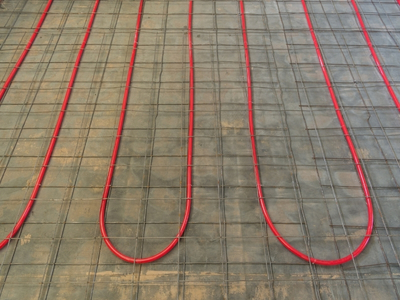 Radiant floor heating places the heat source directly under the floor surface. Instead of blowing warm air through ducts and vents, it warms the floor surface directly. That heat then rises and spreads to people and objects in the room.
The floor acts as a large, low-temperature heat source. Since the warmth comes from the entire surface instead of a few vents, the room heats evenly from the ground up.
Because radiant heat moves from the floor up, the warmth stays close to where people sit, stand, and walk. Heated floors also take the chill out of tile, stone, and other surfaces that are usually cold in winter. Radiant floor heat can warm a single room, such as a bathroom, or heat an entire home.
Radiant floor heating works well under many types of flooring, including tile, stone, laminate, and some types of wood. A heating contractor can recommend the right setup based on the floor material and the size of the space.
Types of Radiant Heating Systems
Radiant heating systems fall into two main groups, electric and hydronic. An electric radiant floor heating system relies on thin resistance cables or pre-made mats laid below the finished floor. It is often used in smaller areas like bathrooms and kitchens and is simpler to install in an existing room.
A hydronic radiant heating system circulates hot water from a boiler or water heater through tubing under the floor. Hydronic radiant heating costs more to install, but it is usually less expensive to operate over large areas. That makes it a common choice for whole-home heating and new construction.
Each radiant heating system has its own strengths. Electric systems fit well into small remodels and single rooms, while hydronic systems work best for larger spaces and homes that already have a boiler. A professional can help compare the options based on the home, the budget, and long-term heating needs.
What Are the Benefits of In-Floor Radiant Heat?
 In-floor radiant heating offers superior comfort. Heated flooring spreads warmth evenly from wall to wall, so there are no drafty corners or blasts of hot air near a vent.
It is also energy efficient. Radiant heating loses less heat than ducted systems, which helps keep heating costs lower. Operation is quiet because no blowers turn on and off.
Indoor air quality is another advantage. Since nothing is blowing dust and allergens through the house, in-floor radiant heat is often easier on people with allergies. Also, the system is hidden under the floor, so there are no vents or radiators taking up wall space.
Radiant floor heating systems also need little maintenance and can last for many years. That long life helps make the system a solid investment for homes in cold climates like North Dakota.
About Laney's Inc.
Laney's Inc. is a locally owned heating and air conditioning company that has served Fargo and the Fargo-Moorhead area since 1960. They offer fast response times, upfront service, and competitive pricing. Call for radiant floor heating services in Fargo, ND.


Contact Information:
Laney's Inc.
55 South 27th St.
Fargo, ND 58103
United States
Kevin Wolf
(701) 237-0543
https://www.laneysinc.com/
