Los Angeles, California, Jan. 15, 2026 (GLOBE NEWSWIRE) -- Disclaimer: This article is for informational purposes only and isn't medical advice. Always consult a qualified healthcare professional before starting any supplement. If you purchase through links in this article, we may earn a commission at no additional cost to you. This report doesn't recommend, replace, or provide alternatives to prescription medications like phentermine.
The phrase "Strongest Phentermine Alternatives 2026" is used solely to reflect common consumer search behavior and does not indicate a ranking, endorsement, medical equivalency, or product effectiveness.
The rapid evolution of prescription weight management medications is reshaping what consumers expect from "OTC alternatives." The FDA's approval of Zepbound (tirzepatide) for chronic weight management and expanded access pathways for Wegovy (semaglutide) have created new market realities — and new consumer confusion about what over-the-counter options can actually deliver. As access, pricing, and prescribing criteria for these medications continue to evolve in 2026, consumer search behavior around non-prescription options has intensified.
This report explains what OTC options exist and provides a verification framework for evaluating them. It does not provide medical advice or substitute for prescription care. Readers can verify current label disclosures and published policies via View the current Phen24 offer (official Phen24 page) before making any purchase decision.
Key Takeaways
Phentermine is a Schedule IV controlled substance available only by prescription for short-term use (typically 12 weeks or less).
The only FDA-approved OTC weight loss medication is orlistat (Alli), which works by blocking fat absorption — not by suppressing appetite.
Dietary supplements marketed for "weight management" fall under different regulations than drugs and can't claim to replicate prescription effects.
This report provides a 7-point verification framework for evaluating any OTC product in this category and applies it to one product as a worked example.
Why "Strongest" Is a Search Term, Not a Safe Buying Standard
When someone searches "strongest phentermine alternatives," they're using language shaped by marketing — not medical reality.
Here's the truth: prescription medications have FDA-reviewed evidence and require clinician oversight. The only FDA-approved OTC weight loss drug is orlistat (Alli), and it works through a completely different mechanism than phentermine. Dietary supplements are a separate category entirely, regulated under DSHEA with structure/function claim boundaries that prevent them from claiming prescription-level effects.
Understanding these distinctions is the first step toward making an informed decision rather than falling for marketing language.
What People Mean When They Search "Strongest Phentermine Alternatives"
The phrase pulls significant search volume year-round, with spikes during New Year's resolution season and pre-summer months. But what are people actually looking for?
Some searchers have used phentermine before and want options after their short-term prescription ends. Others have health conditions that rule out phentermine. Many are exploring non-prescription weight management support. And a fair number don't fully grasp the difference between prescription drugs, FDA-approved OTC medications, and dietary supplements.
When someone types "strongest phentermine alternatives" into Google, they're usually expressing interest in weight management support — not literally seeking a pharmaceutical equivalent available without a prescription. This report addresses that knowledge gap.
What Phentermine Is (and Why It's Prescription-Only)
Phentermine is classified as a Schedule IV controlled substance under federal law. A licensed healthcare provider must evaluate you and write a prescription before you can access it.
The medication is approved only for short-term use — typically 12 weeks or less — alongside lifestyle modifications like reduced calorie intake and increased physical activity. It's indicated for people with obesity (BMI 30+) or those who are overweight (BMI 27+) with weight-related health conditions.
The Schedule IV classification reflects phentermine's potential for dependence and abuse. This means prescribing restrictions, refill limits, and required medical supervision.
Phentermine carries significant contraindications: cardiovascular disease, hyperthyroidism, glaucoma, history of drug abuse, pregnancy, and MAO inhibitor use. These restrictions exist because the medication produces measurable physiological effects as a sympathomimetic amine.
No dietary supplement operates under this regulatory framework. No supplement can claim to produce equivalent effects.
What OTC Options Actually Exist (OTC Drug vs Dietary Supplement)
This is where consumer confusion runs deepest. There are three distinct categories:
Prescription medications require a doctor's evaluation and prescription. They have FDA-reviewed efficacy data from clinical trials.
FDA-approved OTC drugs can be purchased without a prescription but still went through FDA review. In the weight loss category, there's exactly one: orlistat (Alli).
Dietary supplements are regulated under DSHEA. They don't require pre-market FDA approval for safety or efficacy. They can only make structure/function claims — not disease treatment claims.
These categories aren't interchangeable. Searching for "phentermine alternatives" in the supplement aisle means looking in a fundamentally different product category.
The Only FDA-Approved OTC Weight Loss Drug: Orlistat (Alli)
The only over-the-counter weight loss medication with actual FDA approval is orlistat, sold as Alli.
Alli contains 60mg of orlistat per capsule. It reduces absorption of up to 25% of dietary fat by working locally in the small intestine — it doesn't act systemically throughout your body.
Published clinical research referenced in regulatory reviews indicates that six months of orlistat use has been associated with average weight loss of approximately 5.6 kg under controlled conditions, compared to 2.4 kg with placebo. Beyond weight loss, orlistat has been shown to reduce BMI, waist circumference, total cholesterol, and LDL cholesterol.
Critical distinction: Orlistat blocks fat absorption. It's not an appetite suppressant like phentermine. If you're searching for something that works like phentermine, orlistat operates through an entirely different mechanism.
What Dietary Supplements Can Legally Claim (DSHEA Reality Check)
Under the Dietary Supplement Health and Education Act (DSHEA), supplements can't claim to diagnose, treat, cure, or prevent any disease.
What they can do is make "structure/function claims" — statements about how ingredients might support normal body functions. Those claims must include the standard FDA disclaimer.
Terms like "metabolism support," "appetite management," and "weight management" are structure/function claims, not efficacy claims. They describe purported support for normal functions — not treatment for obesity or prescription-equivalent effects.
Watch out for marketing language like "powerful," "maximum strength," and "clinically formulated." Those are marketing terms, not regulatory categories. Evaluate actual ingredient disclosures and available research, not label buzzwords.
The 7-Point Consumer Verification Framework (Use This on Any Product)
Before using any OTC weight management product, verify these seven factors:
1. Stimulant Disclosure and Caffeine Content
Many supplements contain caffeine. Check exact milligrams. Compare against your personal tolerance and daily intake from other sources.
2. Complete Ingredient Transparency
Look for products listing all ingredients with specific amounts — not "proprietary blends" hiding actual contents.
3. Contraindication Acknowledgment
Reputable products state who shouldn't use them: pregnant or nursing women, minors, people with heart conditions, those on prescription medications, people with specific health conditions.
4. Medication Interaction Warnings
Many supplement ingredients interact with prescriptions. Look for clear recommendations to consult a doctor if you're taking medications — especially blood pressure meds, diabetes drugs, thyroid medications, antidepressants, or blood thinners.
5. Third-Party Testing Signals
Third-party testing for purity, potency, and contaminants isn't required, but it signals quality commitment. NSF, USP, or ConsumerLab certifications provide extra confidence.
6. Company Identity and Contact Information
Legitimate companies publish real contact information, business registration, and verifiable addresses. Anonymous websites warrant extra scrutiny.
7. Realistic Expectation Setting
Any company promising rapid, guaranteed, or dramatic results is making claims they can't legally support. Responsible companies acknowledge that results vary and supplements work alongside — not instead of — lifestyle changes.
Applying the Framework: Phen24 (Based on Company Disclosures)
The following section summarizes publicly available company disclosures as an example of how consumers can apply the verification framework. The information is not independently tested or verified for this report.
Stimulant Disclosure
According to the company's published disclosures, the Phen24 Day formula contains approximately 150mg of caffeine per serving — roughly equivalent to a large coffee. The company states the Night formula contains no caffeine or stimulant ingredients. This level of disclosure allows consumers to calculate total daily stimulant intake.
Ingredient Transparency
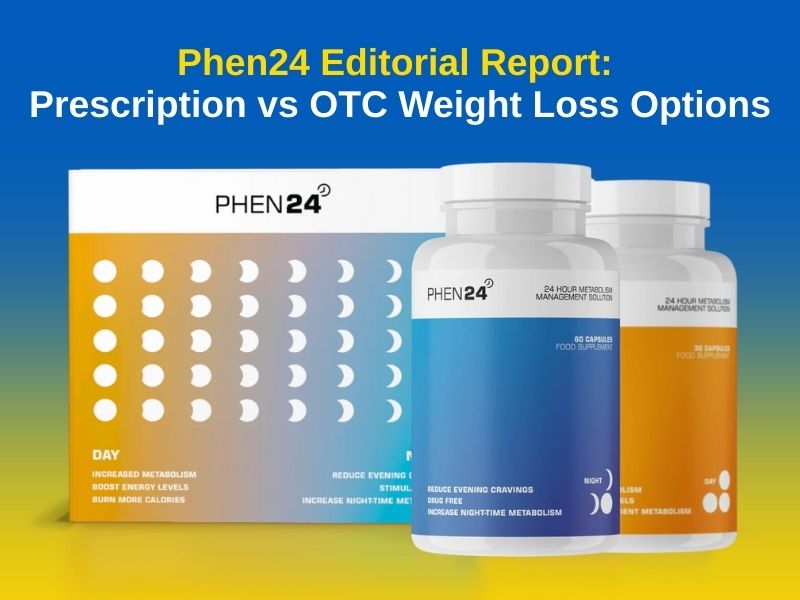
According to the company, Phen24 publishes complete ingredient lists with specific amounts for both Day and Night formulas rather than using proprietary blend labeling.
The company lists the Day formula as containing caffeine, guarana extract, cayenne powder, phenylalanine, iodine, manganese, zinc, and copper. The company lists the Night formula as containing glucomannan, chromium picolinate, biotin, choline bitartrate, molybdenum, pantothenic acid, thiamine, pyridoxine, green tea extract, ascorbic acid, and griffonia extract.
Contraindication Acknowledgment
According to the company's published terms, Phen24 should not be used by individuals who are pregnant or nursing, under 18, managing depression or taking antidepressants, diabetic, dealing with endocrine or autoimmune disorders, managing prostate conditions, or those with liver disease, kidney disease, or certain cancers.
Company Transparency
According to publicly available information, the company identifies itself as Wolfson Brands Limited, operating as Live Wellness Ltd., with published business registration and a physical address in the United Kingdom.
Consumer Protection Policy
The company publishes a 60-day refund policy. Terms may vary; consumers should confirm current terms on the official site before purchasing.
Day-and-Night System Rationale
According to the company, the two-formula system is designed to address the reality that metabolism and energy needs differ between daytime and nighttime hours. The company states the Day formula supports energy during active hours while the Night formula supports the body during rest without stimulants that could disrupt sleep.
Whether this approach offers advantages over single-formula products is something consumers must evaluate based on their own needs. The key verification point is that the company discloses what each formula contains and explains its rationale.
Readers can verify current label disclosures and the company's published policies via View the current Phen24 offer (official Phen24 page) before making any purchase decision.
Safety and Interaction Considerations (When to Talk to a Clinician)
Any product containing caffeine or other stimulants carries considerations for specific groups.
If you have heart conditions, high blood pressure, arrhythmias, or other cardiovascular concerns — talk to your healthcare provider first.
Caffeine can worsen anxiety in sensitive people. If you have anxiety disorders or caffeine sensitivity, proceed carefully.
Pregnant and nursing women should avoid stimulant supplements unless specifically cleared by a healthcare provider.
Weight management supplements are formulated for adults. Minors shouldn't use them without healthcare provider guidance.
Many prescription medications interact with caffeine and supplement ingredients. If you're on any prescriptions, talk to your doctor before adding supplements.
The universal recommendation: anyone considering a weight management supplement should discuss it with a healthcare provider first.
FAQ: Strongest Phentermine Alternatives 2026 (Search Intent Answers)
Is there an OTC substitute for phentermine?
No. Phentermine is a prescription medication with specific mechanisms, regulatory classification, and efficacy data. The only FDA-approved OTC weight loss drug is orlistat (Alli), which blocks fat absorption — not appetite. Supplements can't claim to substitute for prescription medications.
What's the difference between prescription drugs, OTC drugs, and supplements?
Prescription drugs require a doctor and have FDA-reviewed efficacy data. OTC drugs can be bought without a prescription but still have FDA approval. Supplements are regulated under DSHEA without pre-market FDA approval and can only make structure/function claims.
Are dietary supplements regulated?
Yes, but differently than drugs. The FDA regulates supplements under DSHEA, requiring manufacturing standards and truthful labeling — but not pre-market approval for safety or efficacy.
Do OTC weight loss supplements work?
Results vary significantly. Unlike prescription medications with clinical trial data, most supplements lack robust evidence for weight loss effectiveness. Some ingredients have been studied with mixed results. Supplements work best — if at all — alongside balanced nutrition and regular exercise.
What should I look for when evaluating any weight management product?
Stimulant disclosure, ingredient transparency, contraindication acknowledgment, medication interaction warnings, third-party testing signals, company identity, and realistic expectation setting. The 7-point framework covers all of these.
How does Phen24 compare to other products?
According to the company's disclosures, Phen24 differentiates itself through its day-and-night system, transparent stimulant disclosure, complete ingredient lists, published contraindications, and a refund policy. Consumers can evaluate these factors against other products using the 7-point framework. The information is based on company disclosures and is not independently verified for this report.
Conclusion: How to Evaluate OTC Options Without Falling for Hype
The search phrase "strongest phentermine alternatives" reflects consumer interest in weight management — but the language itself is shaped by marketing, not medical reality.
The strongest weight loss medications are prescription drugs with clinical trial data: phentermine, semaglutide (Wegovy), tirzepatide (Zepbound), and others. These require healthcare provider evaluation and supervision.
The only FDA-approved OTC weight loss drug is orlistat (Alli). It works by blocking fat absorption, not suppressing appetite.
Dietary supplements are a separate category. Different regulations, different compounds, no ability to claim prescription-level effects. But consumers can still evaluate them using objective criteria: transparency, ingredient disclosure, contraindications, company credibility.
This report provided a 7-point framework and applied it to Phen24 as a worked example based on company disclosures. Readers can verify current terms and disclosures via View the current Phen24 offer (official Phen24 page) before making any decision.
Healthcare provider consultation remains the smart first step before starting any supplement.
Disclaimer
No Medical Substitution: This report doesn't recommend, endorse, or provide alternatives to prescription medications including phentermine. No dietary supplement substitutes for prescription medication. Consult a healthcare provider about appropriate medical interventions.
FDA Health Disclaimer: These statements haven't been evaluated by the Food and Drug Administration. Dietary supplements aren't intended to diagnose, treat, cure, or prevent any disease. Consult your physician before starting any supplement.
Professional Medical Disclaimer: This article is educational and doesn't constitute medical advice. No dietary supplement substitutes for prescription treatment. Consult your physician before starting any supplement, especially if you have health conditions or take medications.
Results May Vary: Individual results vary based on age, health, lifestyle, genetics, medications, diet, exercise, and other factors. No results are guaranteed.
Research Context Disclaimer: Studies cited examine individual ingredients in controlled settings. Results don't guarantee identical outcomes with supplement use.
FTC Affiliate Disclosure: This article contains affiliate links. We may earn a commission at no additional cost to you. This doesn't influence the information presented.
Pricing and Availability: All pricing and policy references are based on publicly available disclosures at publication (January 2026) and may change. Verify current details on official websites.
Company Disclosure Context: Product information in this report is based on company disclosures and is not independently tested or verified. Consumers should conduct their own due diligence.
About This Report
This analysis provides educational information about consumer search behavior related to "phentermine alternatives" and verification criteria for OTC products. It doesn't constitute medical advice or product endorsement. Healthcare provider consultation is recommended before starting any supplement.
Contact: Live Wellness Ltd. Glasgow, United Kingdom support@phen24.com

support@phen24.com