Medical Exam After Car Crash Results in Skin Cancer Diagnosis for Colorado Man
Denver. CO (PRUnderground) July 17th, 2026
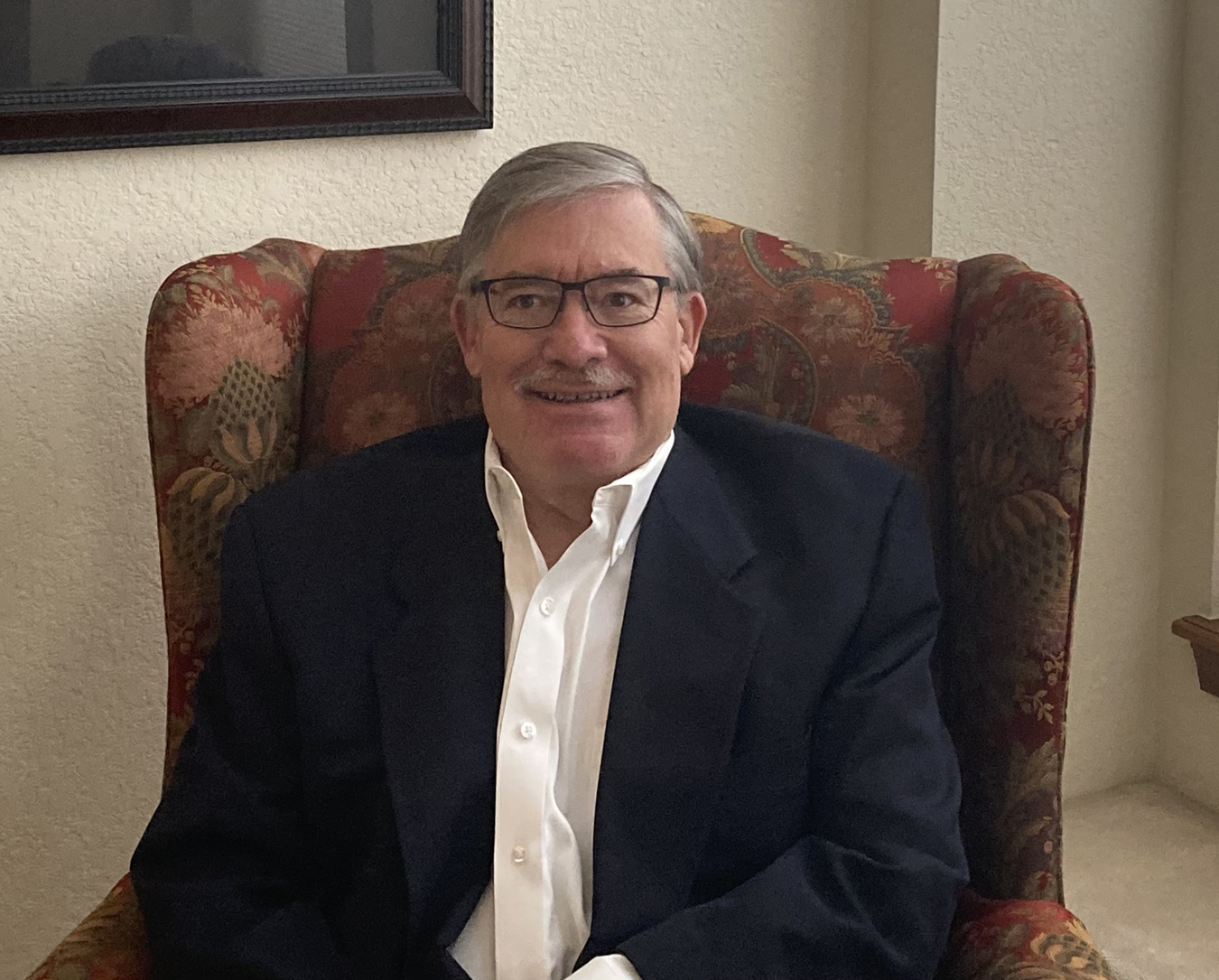
Regular skin cancer checks can help address disease early and lead to better outcomes. But when undiagnosed, skin cancer can spread to different parts of the body.
That was the experience for one Colorado patient. Brian Saracino uses the phrase “an interesting twist” often when he talks about himself. He’s had many interesting twists throughout his life including a car accident that led to the discovery of a lung nodule that turned out to be melanoma.
Three years ago, a car made an illegal left turn in front of him, as Saracino moved through a green light, causing an auto accident on Kipling Avenue. His chest and knee were banged up. He was evaluated at the hospital with medical imaging and was fine except for damage to his left knee. Then, five months later during a wellness exam, Saracino’s personal physician mentioned that a lung nodule was visible in one of those scans. Nothing to worry about, the physician said, but they would watch it.
The nodule grew. After a year of continued growth, doctors scheduled Saracino for what was to be a simple surgery to remove the benign growth. However, the nodule wasn’t benign. They removed one-third of his lung along with 16 lymph nodes. The nodule was cancerous – specifically melanoma that had spread to his lung.
Saracino learned that skin cancer spreading to an organ is rare. He began treatment as the cancer metastasized to his neck and shoulder area, back and at one point to his brain.
“The good news,” he joked “is that it proved I actually have a brain.”
His cancer was stage 4, which means it had spread from its original location to distant parts of his body. Stage 4 cancers are advanced and often harder to treat successfully. Saracino said at that point a provider asked him what his plans were, implying that he had the choice whether to continue treatment or stop, effectively ending his life.
“I told her my plan was to keep working through this and take this one step at a time.”
Jeffrey Owsley, DO, a medical oncologist with Intermountain Health Cancer Centers of Colorado, said about 3% of melanomas present in situations where the primary lesion hasn’t been surgically removed and cancer is found as a distant metastasis, or as cancer cells that separated from the primary lesion and travel to a different part of the body to form a tumor.
“These can occur in sites with little to no sun exposure,” Dr. Owsley said. “One challenging aspect of melanoma is that it can metastasize to anywhere in the body.”
“Luckily, Brian has had a great response to immunotherapy, and he currently has no evidence of cancer.” Dr. Owsley said.
Saracino, who is now 68, had seen a dermatologist for full body skin checks annually since he was 25, but looking back there was confusion as to whether anything of concern was ever found. The dermatologist said he’d never found melanoma but later said a spot had been removed. Another “interesting twist,” Saracino said.
Today, he feels good. He has had side effects from immunotherapy but manages those with medication.
Yet another twist to the story: Years before his cancer diagnosis, he stood by his brother, a highly decorated Denver Policeman who was diagnosed with early onset Alzheimer’s. Saracino cared for his brother for six years until his brother passed away from the disease.
He also saw his father die from acute myeloid leukemia, or AML, which he described as “a tough one.” Both of those diseases give him a perspective about his own cancer diagnosis.
“Things could be worse,” he said. “Cancer is certainly challenging, and dementia is also.”
But Saracino shared that he feels so fortunate for the wonderful medical care his doctors have provided, using some of the latest medical technology in cancer care.
He also has a prevention message: “Take the simple steps necessary. Find a good sunscreen and take care of your general health,” he said. “If there is a twist, take that one step at a time.”
For information on skin cancer screenings, see your personal doctor or https://intermountainhealthcare.org/services/cancer-care/skin-cancer.
Dr. Jeffrey T. Owsley, DO, is a board-certified medical oncologist and hematologist at Intermountain Health Cancer Centers of Colorado, specializing in breast medical oncology. He sees patients at three Denver-area locations: Intermountain Health Lutheran Hospital in Golden, Intermountain Health Saint Joseph Hospital in Denver, and Intermountain Health Cancer Center – Mile High in Denver.
About Intermountain Health
Headquartered in Utah with locations in six states and additional operations across the western U.S., Intermountain Health is a nonprofit system of 34 hospitals, approximately 400 clinics, medical groups with some 4,600 employed physicians and advanced care providers, a nonprofit health plan called Select Health with more than one million members, and other health services. Helping people live the healthiest lives possible, Intermountain is committed to improving community health and is widely recognized as a leader in transforming healthcare by using evidence-based best practices to consistently deliver high-quality outcomes at sustainable costs. For up-to-date information and announcements, please see the Intermountain Health newsroom at https://news.intermountainhealth.org/. For more information, see intermountainhealth.org/ or call 801-442-2000.
The post Skin Cancer Often Treatable When Caught Early – Intermountain Health Encourages Regular Checks first appeared on
Original Press Release.
