
Spring Home Remodeling Success: Pro Planning Strategies to Prepare Before Construction Begins
Hampton, United States - February 17, 2026 / W.M. Smith Contracting /
Planning a spring renovation can be an exciting yet daunting task for homeowners. With the right approach, you can transform your living space into a dream home. This article will guide you through essential pre-construction tips, ensuring you are well-prepared for your renovation journey. You will learn how to define your renovation goals, create a realistic budget, hire the right general contractor, and navigate the necessary permits. By following these expert tips, you can avoid common pitfalls and ensure a smooth renovation process.
What Are the Essential Steps in Spring Home Renovation Planning?
Planning a successful spring renovation involves several key steps that set the foundation for your project. These steps include defining your renovation goals, creating a comprehensive checklist, and establishing a budget. By following these steps, you can ensure that your renovation aligns with your vision and is executed efficiently.
How to Define Your Renovation Goals and Vision for Spring Projects
Defining your renovation goals is crucial for a successful project. Start by identifying your needs and wants, considering both aesthetic and functional aspects. For instance, you may want to create an open-concept living space or update your kitchen with modern appliances. Additionally, think about your long-term objectives, such as increasing your home's value or improving energy efficiency. This clarity will guide your decisions throughout the renovation process.
What Should a Pre-Construction Checklist Include for Homeowners?
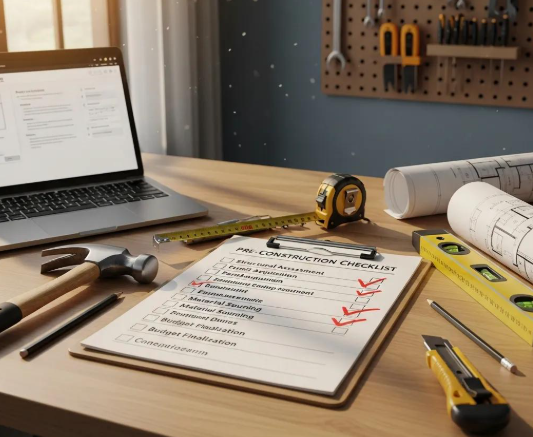
A pre-construction checklist is an essential tool for homeowners to ensure that all necessary preparations are made before the renovation begins. Key items to include are:
Permits Required: Research and obtain any necessary building permits for your project.
Contractor Selection Criteria: Establish criteria for vetting potential contractors, such as experience, references, and licensing.
Design Plans: Finalize your design plans and ensure they align with your renovation goals.
Having a comprehensive checklist will help you stay organized and focused as you move forward with your renovation.
How Do You Create a Realistic Renovation Budget and Timeline?
Creating a realistic renovation budget and timeline is vital for the success of your project. This process involves understanding the costs associated with your renovation and setting a timeline that accommodates potential delays.
What Are Effective Strategies for Budgeting Your Spring Remodel?
When budgeting for your spring remodel, consider the following strategies:
Allocate Funds for Contingencies: Set aside 10-20% of your budget for unexpected expenses that may arise during the renovation.
Explore Financing Options: Research various financing options, such as home equity loans, personal loans, or renovation-specific loans, to fund your renovation.
Get Multiple Quotes: Obtain quotes from several contractors to compare prices and services, ensuring you get the best value for your investment.
These strategies will help you create a budget that is both realistic and flexible.
How to Develop a Practical Timeline for Your Renovation Project
Developing a practical timeline for your renovation project requires careful planning. Start by considering contractor availability and the scope of your project. For example, if you are planning a kitchen remodel, factor in the time needed for design, demolition, and construction. Additionally, account for seasonal factors that may impact your project, such as weather conditions. A well-structured timeline will help keep your renovation on track and minimize delays.
How to Hire the Right General Contractor for Your Spring Renovation?
Hiring the right general contractor is a critical step in ensuring the success of your renovation. A qualified contractor will bring your vision to life while managing the complexities of the construction process.
What Criteria Should You Use to Vet General Contractors?
When vetting general contractors, consider the following criteria:
Check Licensing and Insurance: Ensure that the contractor holds the necessary licenses and insurance to operate in your area.
Review Client Testimonials: Look for reviews and testimonials from previous clients to gauge the contractor's reliability and quality of work.
Assess Communication Skills: Choose a contractor who communicates clearly and is responsive to your questions and concerns.
These criteria will help you select a contractor who is well-suited for your project.
Emphasizing the importance of thorough vetting, experts also caution against common pitfalls like scope creep when engaging a general contractor.
Why Choose a Licensed and Insured Contractor in Hampton, VA?
Choosing a licensed and insured contractor in Hampton, VA, offers several benefits. Licensed contractors have met state requirements to perform construction work, ensuring compliance with local building codes. Insurance protects you from liability in case of accidents or damages during the renovation. While IICRC certification is valuable for professionals specializing in water damage restoration and cleaning, it is not a standard requirement for general contractors in home renovations. Therefore, prioritizing licensing and insurance is essential for your project's quality and safety.
Understanding the legal and procedural aspects of working with a general contractor is crucial for homeowners based on homeowner contracts.
How to Prepare Your Home and Navigate Permits for Spring Construction?
Preparing your home for renovation and navigating the permit process are essential steps that can significantly impact the success of your project. Proper preparation ensures a smooth construction process, while understanding local regulations helps you avoid potential legal issues.
What Are the Key Home Preparation Steps Before Construction Begins?
Before construction begins, take the following steps to prepare your home:
Clear Work Areas: Remove furniture and personal items from the renovation area to create a safe and accessible workspace.
Protect Belongings: Use drop cloths and plastic sheeting to protect your belongings from dust and debris during the renovation.
Communicate with Family: Inform family members about the renovation schedule and any changes to daily routines.
These preparation steps will help minimize disruptions and ensure a more efficient renovation process.
How to Understand and Obtain Necessary Permits in Hampton, VA
Understanding and obtaining the necessary permits in Hampton, VA, is crucial for a successful renovation. Start by checking local regulations to determine which permits are required for your project. Common permits include building permits, electrical permits, and plumbing permits. Once you have identified the necessary permits, submit your applications to the appropriate local authorities. If you need assistance, consider consulting with a local contractor who can guide you through the permit process.
Building Permit – A building permit is required for any structural changes to a property. The estimated cost typically ranges from $100 to $400.
Electrical Permit – An electrical permit is necessary when performing electrical work. The usual cost falls between $50 and $200.
Plumbing Permit – A plumbing permit is required for plumbing modifications or alterations. The estimated fee generally ranges from $50 to $200.
This shows common permits required for home renovations in Hampton, VA, along with their estimated costs. Understanding these requirements will help you plan your budget and timeline effectively. By following these expert pre-construction tips, you can ensure a successful spring renovation that meets your goals and enhances your living space. With careful planning and the right contractor, your dream home is within reach.

Contact Information:
W.M. Smith Contracting
703-F Howmet Drive
Hampton, VA 23661
United States
W.M. Smith
https://wmsmithcontracting.com/


Original Source: https://wmsmithcontracting.com/
