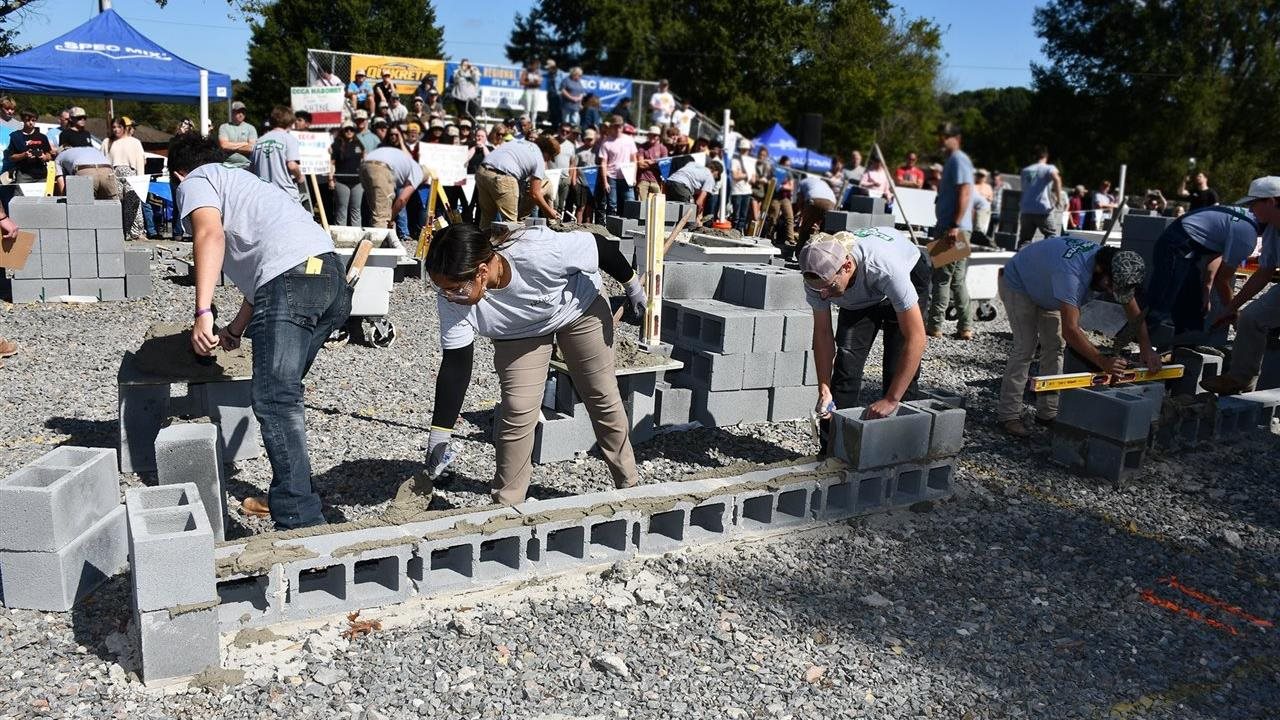
(BPT) - Growing up, Ryan Shaver — executive director of the North Carolina Masonry Contractors Association (NCMCA) — hadn't planned on pursuing a career in the trades. But everything changed in 1989 when he enrolled in a high school masonry class.
"From that moment, I knew I wanted to be out there building things with my hands, and I'm proud to say, I've never looked back," said Shaver.
What started as a random elective changed the course of Shaver's life. Now, he's using his years of experience in concrete masonry to give back, acting as an educator, mentor and advocate for the masonry trade.
"I want to see this industry grow in ways we have never seen," Shaver said. "Masonry has always been about building things that last. If we get people excited and organized, the impact will last, too."
After spending decades working across every side of the concrete masonry industry, Shaver wanted to do more to nurture the next generation of masonry. With the support of the Concrete Masonry Checkoff, he established the Junior Blocklayer program, which offers youth, regardless of their skill set, fun hands-on challenges and competitions that expose them to the joy and pride of masonry.
Students aren't the only ones who benefit from the program. Junior Blocklayer gives the industry a practical way to create awareness while strengthening the next generation of the masonry and design industry. Shaver built the program around his core belief that engagement in a trade starts with experience.
"Once you get a few blocks in someone's hands, that's when buy-in really starts," Shaver said.
An American trade renaissance
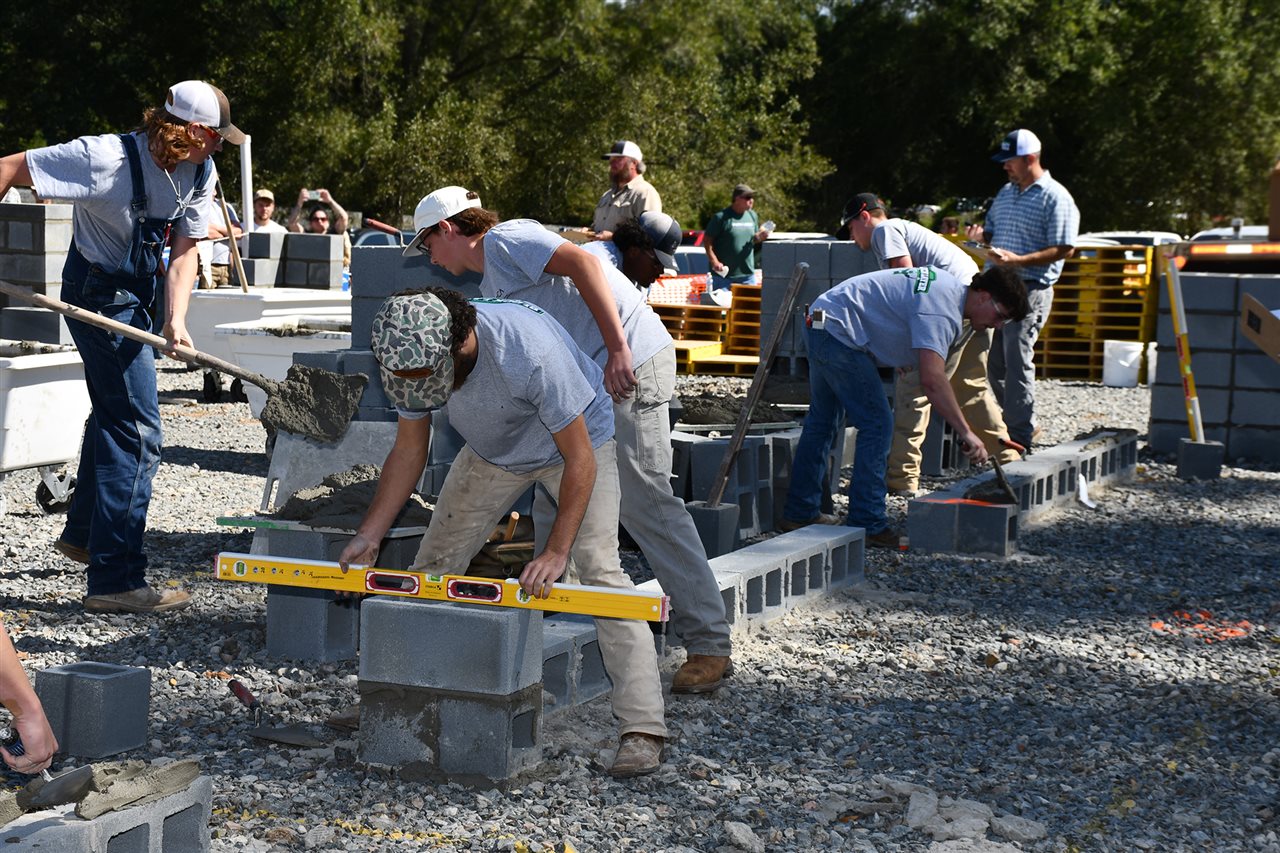
Ryan's story isn't unusual; his experience reflects a larger career shift in the U.S. More and more students are shying away from traditional four-year degrees in favor of learning a trade like concrete masonry, electric and plumbing, among others.
According to a 2023 study by the National Center for Education Statistics, U.S. undergraduate enrollment declined by approximately 15% between 2010 and 2021, falling from about 18.1 million to 15.4 million students. On the other hand, fall enrollment at trade schools grew at an estimated compound annual rate of 3.2% from 2019 to 2024 and is expected to grow even faster from 2024 to 2030 at a projected rate of 6.6%.
But why are younger generations joining the trades? Perhaps one of the most compelling reasons is that young people are rethinking what makes a good job.
Debt-laden, desk-bound jobs without a clear impact or purpose are less appealing to younger generations. A recent Deloitte report found that roughly nine in 10 Gen Zers (89%) and millennials (92%) consider a sense of purpose to be important to their job satisfaction and well-being. Similarly, another Deloitte study found that 44% of Gen Z report rejecting employers whose values did not align with their own, signaling that meaning and contribution influence job choice.
By contrast, trade jobs like concrete masonry offer hands-on, purposeful and financially secure vocations that communities rely on every day.
With a registered apprenticeship, workers can expect to be paid from the day they start and can expect their wages to increase as their skills advance. As far as earning potential goes, these young tradespeople in construction and extraction jobs can expect to earn a median annual wage of $58,360, exceeding the median wage across all U.S. occupations, including white-collar roles.
How the industry is paving the way for the next generation
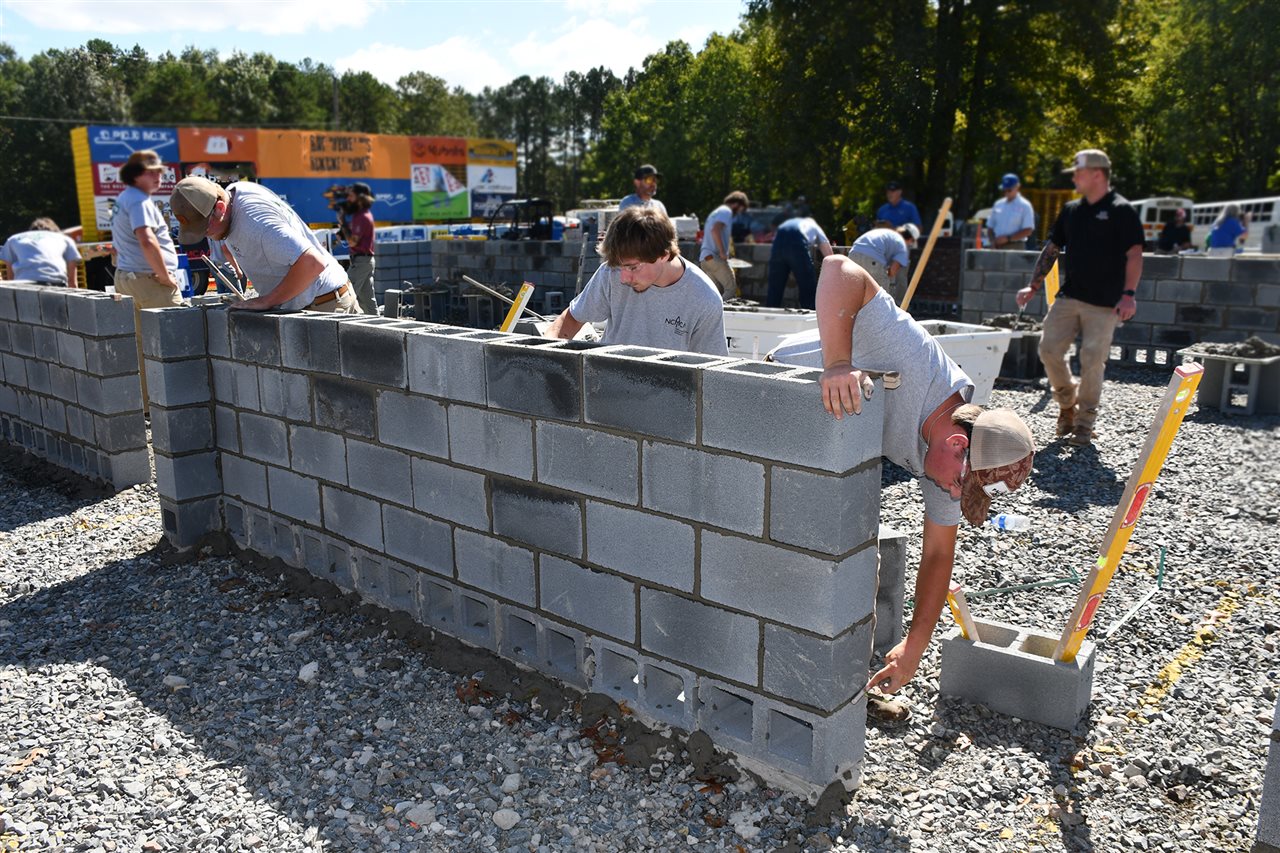
To capitalize on the renewed interest in the trades, industry leaders need to create a tangible connection — not just for students but for professionals as well. The success of Shaver's Junior Blocklayer program is a clear example of how the industry needs to shift and meet young people where they're at.
"We have to teach adults how to work with students," he said, "not the other way around."
That's why the program's events encourage direct interaction between participants and instructors, emphasizing simple actions like walking table to table, asking questions and building relationships that can turn curiosity in masonry into a long-term career.
Shaver's Junior Blocklayer program isn't the only way industry groups like CMC have been expanding awareness of the masonry trade and supporting educational opportunities for potential tradespeople. In fact, after years of limited exposure in collegiate settings, CMC has been instrumental in bridging the gap between the classroom and real-world craftsmanship.
CMC's programming has introduced or reestablished partnerships with more than a dozen leading colleges and universities to restore concrete masonry's presence in the classroom through research, scholarships and hands-on learning.
Want a closer look at why masonry is resonating with today's workforce?
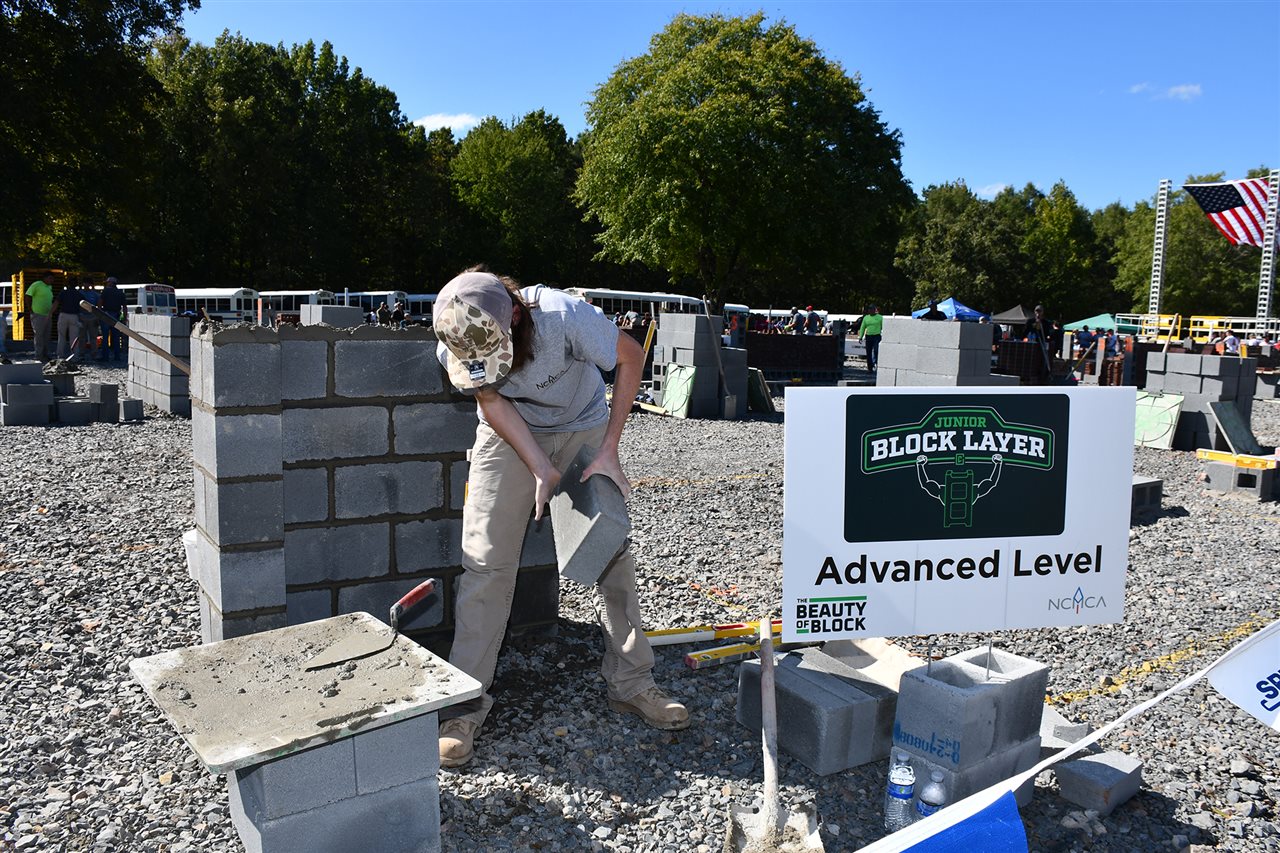
Explore the Top 10 Reasons to Join the Masonry Team — from paid training and career growth to the pride of building work that lasts.