
Collision Care Xpress has published a new consumer guide explaining several vehicle-specific considerations that can become relevant when an electric vehicle is involved in a collision.
The September resource expands the company's consumer information about electric vehicle collision repair by focusing on how EV construction and high-voltage systems can affect repair planning. The guide addresses high-voltage system considerations, battery location and protection, vehicle construction materials, manufacturer repair procedures, and the electronic systems that may need to be considered during an applicable collision repair.
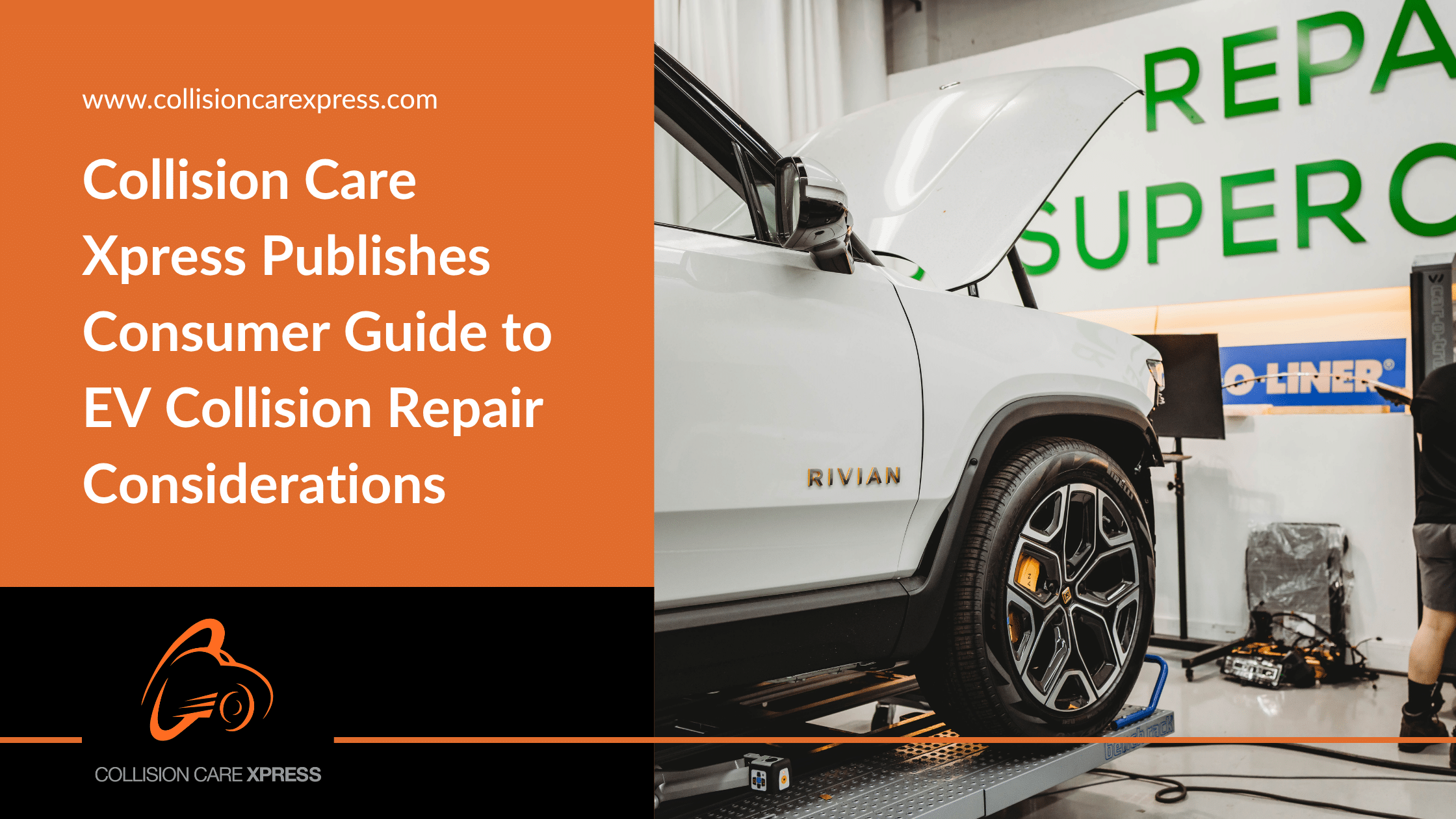
Collision Care Xpress developed the guide as an educational resource for electric vehicle owners served by its Daytona Beach facility. The information is intended to provide context about the EV collision repair process rather than establish a universal repair procedure for all electric vehicles.
Electric vehicles share many exterior and structural components with other modern vehicles, but the presence of a high-voltage propulsion system can introduce additional considerations. Battery configuration, high-voltage cables, electrical components, charging equipment, and manufacturer-specific designs vary among vehicle makes and models.
For that reason, the guide emphasizes vehicle identification and manufacturer repair information as early parts of repair planning. The procedures applicable to one electric vehicle should not automatically be assumed to apply to another, even when the visible collision damage appears similar.
High-voltage system information represents one area covered by the new resource. Electric vehicles can contain high-voltage components in different locations throughout the vehicle, and manufacturers publish procedures addressing how those systems are handled during service and collision repair.
The presence of an electric powertrain does not mean that every collision affects the high-voltage system or battery. Instead, the location and characteristics of the impact, the components involved, the condition documented during evaluation, and the applicable manufacturer information contribute to determining which procedures are relevant.
Battery location is another consideration discussed in the guide. Depending on vehicle design, a high-voltage battery assembly may be positioned beneath the passenger compartment or elsewhere within the vehicle structure. Its configuration and relationship to surrounding structural components can differ substantially between models.
Collision Care Xpress's consumer information distinguishes between the presence of a battery system and a conclusion that the battery has sustained collision damage. Visible exterior damage alone does not establish the condition of a high-voltage battery or other electrical components. Appropriate evaluation depends on the individual vehicle and the procedures specified for the circumstances of the repair.
The September guide also addresses vehicle construction. Modern EVs can incorporate combinations of high-strength steels, aluminum, plastics, composites, and other materials. Manufacturers may establish component-specific repair restrictions, joining methods, replacement procedures, measurements, or other instructions for these materials and structures.
These differences can influence decisions made during repair planning. A component that can be repaired under the procedures established for one vehicle may be subject to different requirements on another model. The guide therefore encourages consumers to view EV collision repair as vehicle-specific rather than as a single standardized process.
Industry technical resources provide additional context for this approach. I-CAR's Repairability Technical Support platform provides collision repair professionals with information for researching OEM procedures, technical requirements, and vehicle-specific repair considerations.
The independent industry resource is available through I-CAR Repairability Technical Support.
Collision Care Xpress references I-CAR as an independent collision repair information resource. The company's September consumer guide is its own educational publication and is not presented as an I-CAR standard, publication, sponsorship, affiliation, or endorsement.
Electronic systems beyond the high-voltage powertrain can also become relevant during EV collision repair. Like many contemporary gasoline-powered and hybrid vehicles, electric vehicles may incorporate cameras, radar units, parking sensors, restraint-system components, and other electronic equipment in areas affected by a collision.
The existence of these systems does not automatically establish that scanning, calibration, replacement, or another specific operation is required. Applicable procedures depend on the vehicle, equipment involved, repair operation, and relevant manufacturer instructions.
The guide also explains why repair planning can develop as technicians obtain additional information about a collision-damaged vehicle. An initial exterior evaluation can document visible conditions, while access to manufacturer information and, when appropriate, areas behind damaged components can provide further information about the repair.
This distinction is particularly useful for consumers because EV collision repair can involve terminology that may be unfamiliar to vehicle owners. References to high-voltage systems, battery-related procedures, OEM repair information, structural materials, diagnostics, and calibrations describe different parts of the technical repair environment rather than procedures that necessarily apply to every damaged EV.
Collision Care Xpress's September resource is designed to separate those considerations so consumers can better understand why repair planning begins with the specific vehicle and documented damage.
The guide also distinguishes electric vehicle collision repair from the assumption that every EV requires an entirely different body repair process. Exterior components may still involve familiar collision repair operations, but technicians must account for the construction, systems, and manufacturer procedures applicable to the particular vehicle being repaired.
Similarly, the guide does not characterize EV repairs as automatically more extensive than repairs to gasoline-powered vehicles. The scope of an individual repair depends on the collision damage and applicable vehicle information rather than the propulsion system alone.
Another area addressed in the publication is the relationship between structural repair and high-voltage components. Depending on vehicle design, structural areas can be positioned near battery assemblies, electrical cabling, or other EV-specific components. Manufacturer repair information can provide procedures and precautions relevant when work is performed in those areas.
This vehicle-specific approach also applies when exterior components are removed or replaced. The affected area, nearby equipment, attachment methods, materials, and required repair operations can all contribute to determining the appropriate sequence of work.
For consumers, the September guide provides a framework for understanding why two electric vehicles involved in apparently similar collisions can follow different repair processes. Differences in battery architecture, vehicle construction, installed technology, component design, and OEM procedures can result in different technical considerations even when exterior damage appears comparable.
The publication is part of Collision Care Xpress's continuing consumer information about contemporary collision repair. It builds on the company's previous discussion of electric vehicle repair capabilities by providing a more focused explanation of the vehicle-specific information that can influence an EV repair plan.
Additional information about EV collision repair is available through Collision Care Xpress. Information about the company's Daytona Beach facility and its collision repair services is available through the Collision Care Xpress Daytona Beach location.
About Collision Care Xpress
Collision Care Xpress provides collision repair and related vehicle repair services through locations in Florida, including Daytona Beach. Its services include collision repair, auto body repair, electric vehicle collision repair, ADAS-related repair services, fleet auto body services, and other vehicle restoration work.
###
For more information about Collision Care Xpress - Daytona Beach, contact the company here:
Collision Care Xpress - Daytona Beach
Robert Molina
386-267-0904
dbservice@collisioncarexpress.com
418 N Segrave St, Daytona Beach, FL 32114
